16th June 6.00 pm in The Priory
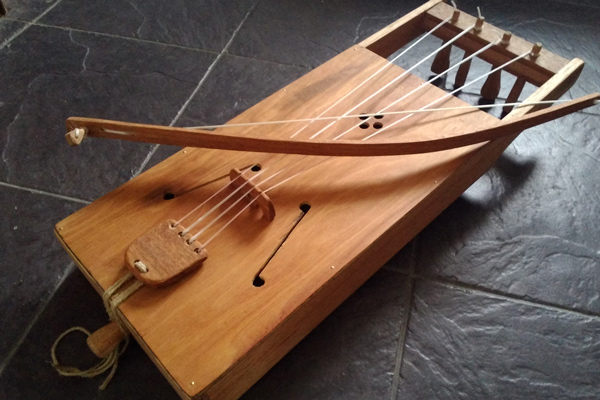
‘A Clash of Cultures’ (Music in the Early Medieval Period)’ Richard and Elizabeth Walsh will discuss the evidence concerning early medieval music-making including demonstrating a number of reproduction period instruments. £5
Richard Walsh and Elizabeth Walsh, appearing as her “alter ego”, Breguswið (Mother of St Hild of Whitby), will discuss the evidence concerning early medieval music-making, look at some of the things that texts tell us about singing and music making, and will demonstrate a number of reproduction period instruments.
Viking Age instruments (c. 793–1066 AD) consisted of wind, string, and percussion instruments crafted from natural materials like wood, animal bones, and horn. Key instruments included the lyre, lure (wooden horn), bone flutes, rebecs, and panpipes, used for entertainment, storytelling, and signaling.
- The lyre was central to Viking music, played by poets and storytellers (skalds). Other stringed instruments included the Talharpa (a bowed lyre) and the rebec, a bowed instrument similar to a violin.
- Wind Instruments: The Lur was a long, straight wooden horn used for signalling. Other wind instruments included bone flutes/whistles, pan flutes, reed pipes, and cow/goat horns with finger holes.
- Percussion: While less documented, drums were likely used in religious ceremonies, festivals, and to set the rhythm for rowers or warriors.
Find out about how we know about the instruments, their sounds and uses, and the power of music in the Viking Age.